The Culture and History of Somerset in a few words…
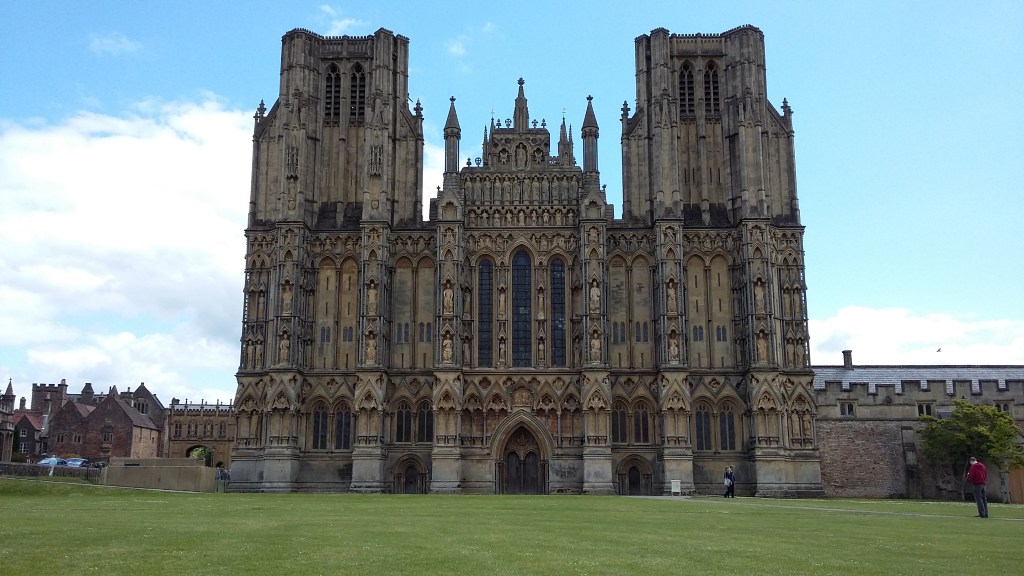
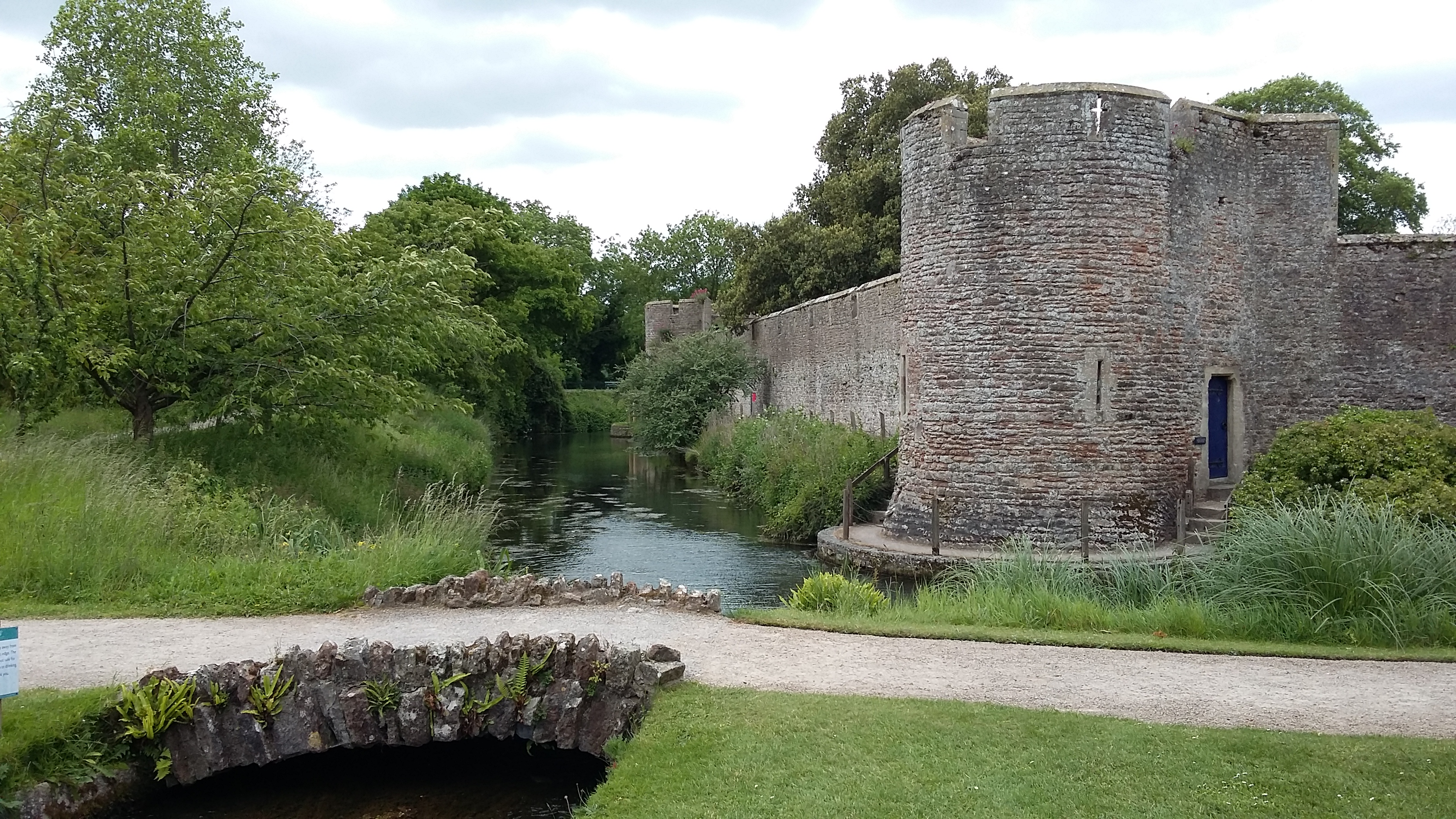
Deep in the heart of Somerset lies the ancient city of Wells. Often described as ‘England’s smallest city’, it is a place where town and country meet in harmony. Situated on the southern edge of the Mendip Hills and surrounded by the beauty of Somerset’s rural landscapes, the city takes its name from the three wells dedicated to Saint Andrew; one located in the city’s market place, and the other two situated within the grounds of the Bishop’s Palace, which has been the home of the Bishop of the Diocese of Bath and Wells for over 800 years. The Palace itself is one of several medieval architectural features that still remain in the city today; the others include the city gate and, of course, the magnificent architectural masterpiece that is Wells Cathedral.
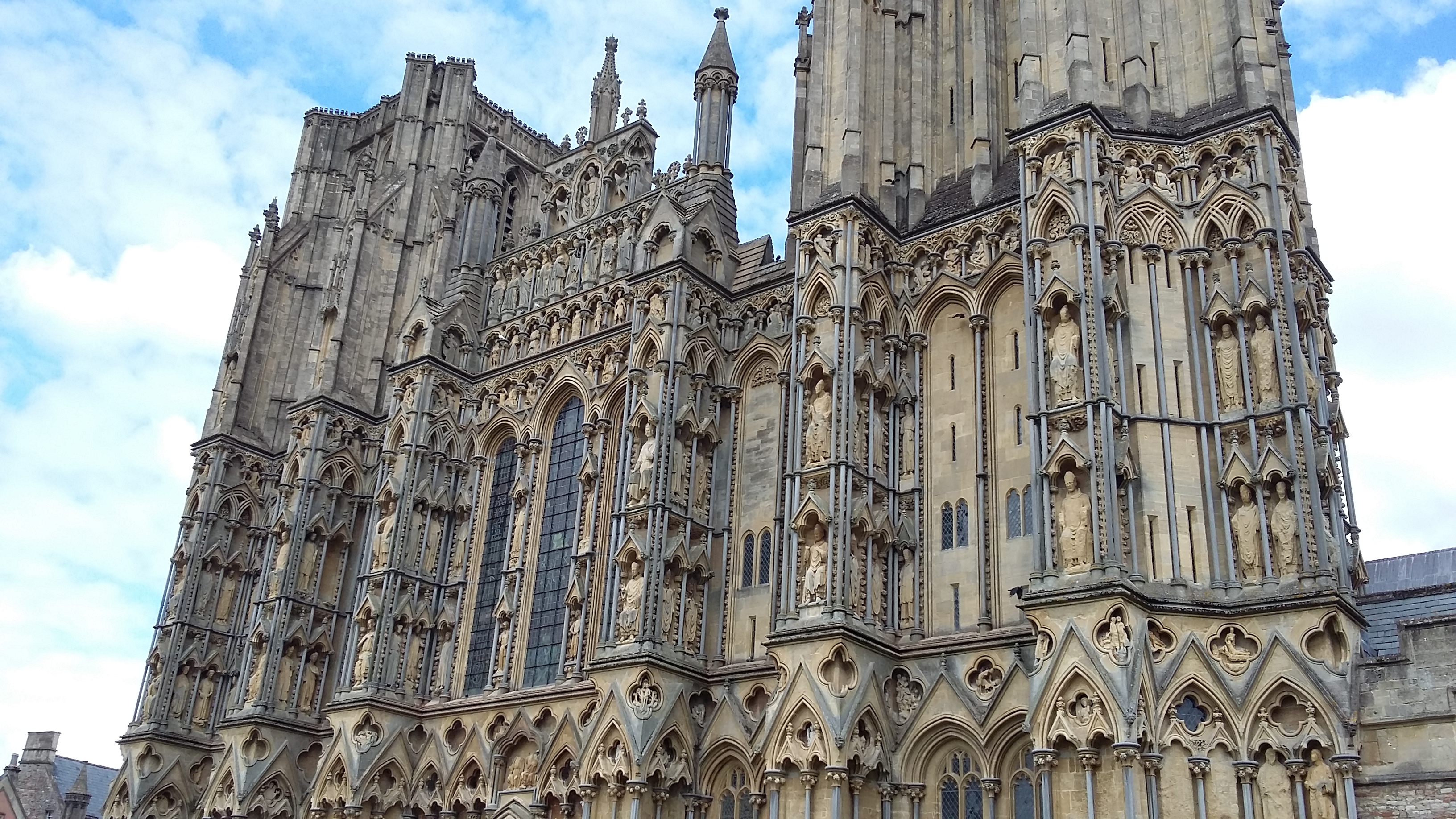
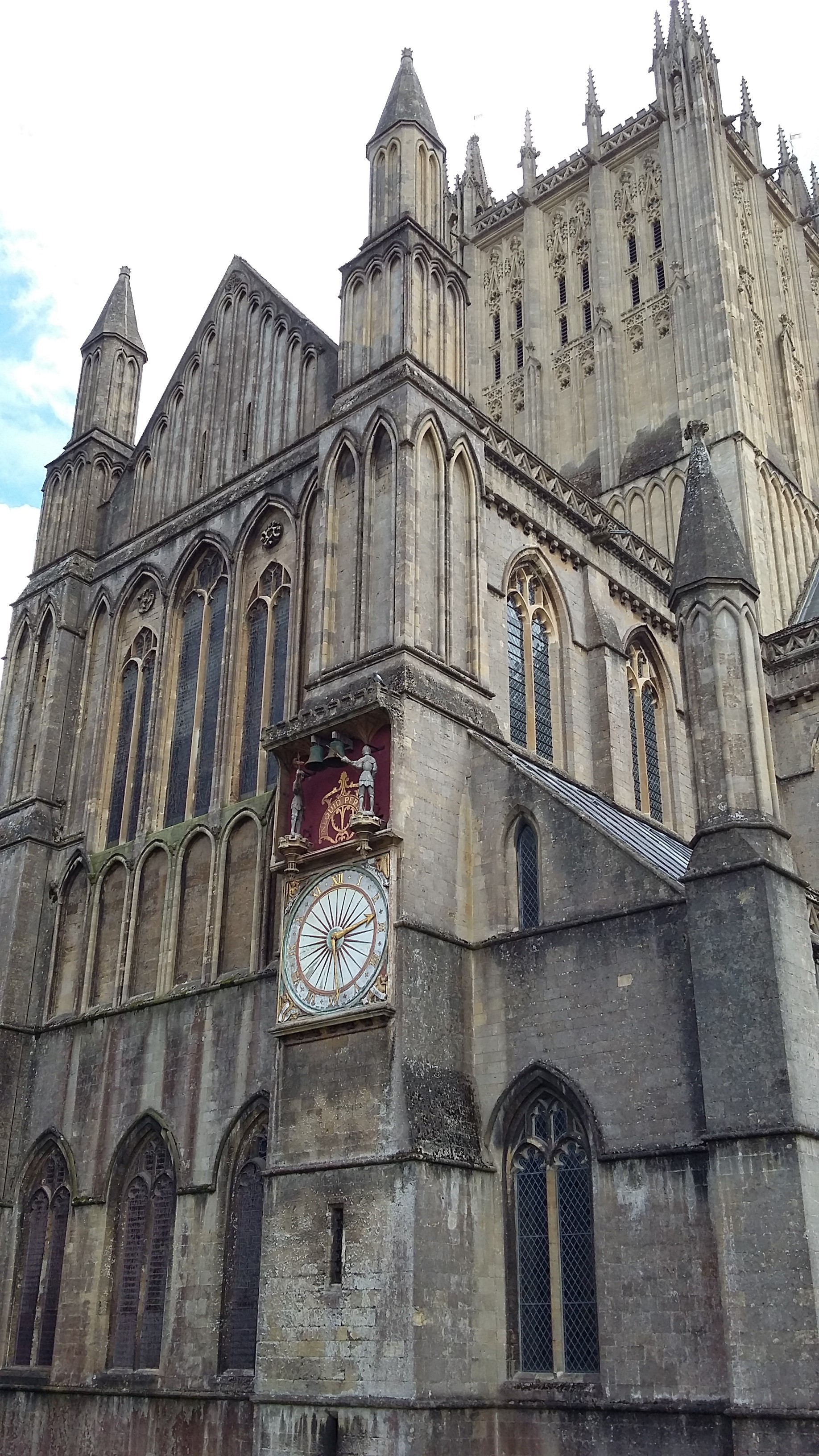
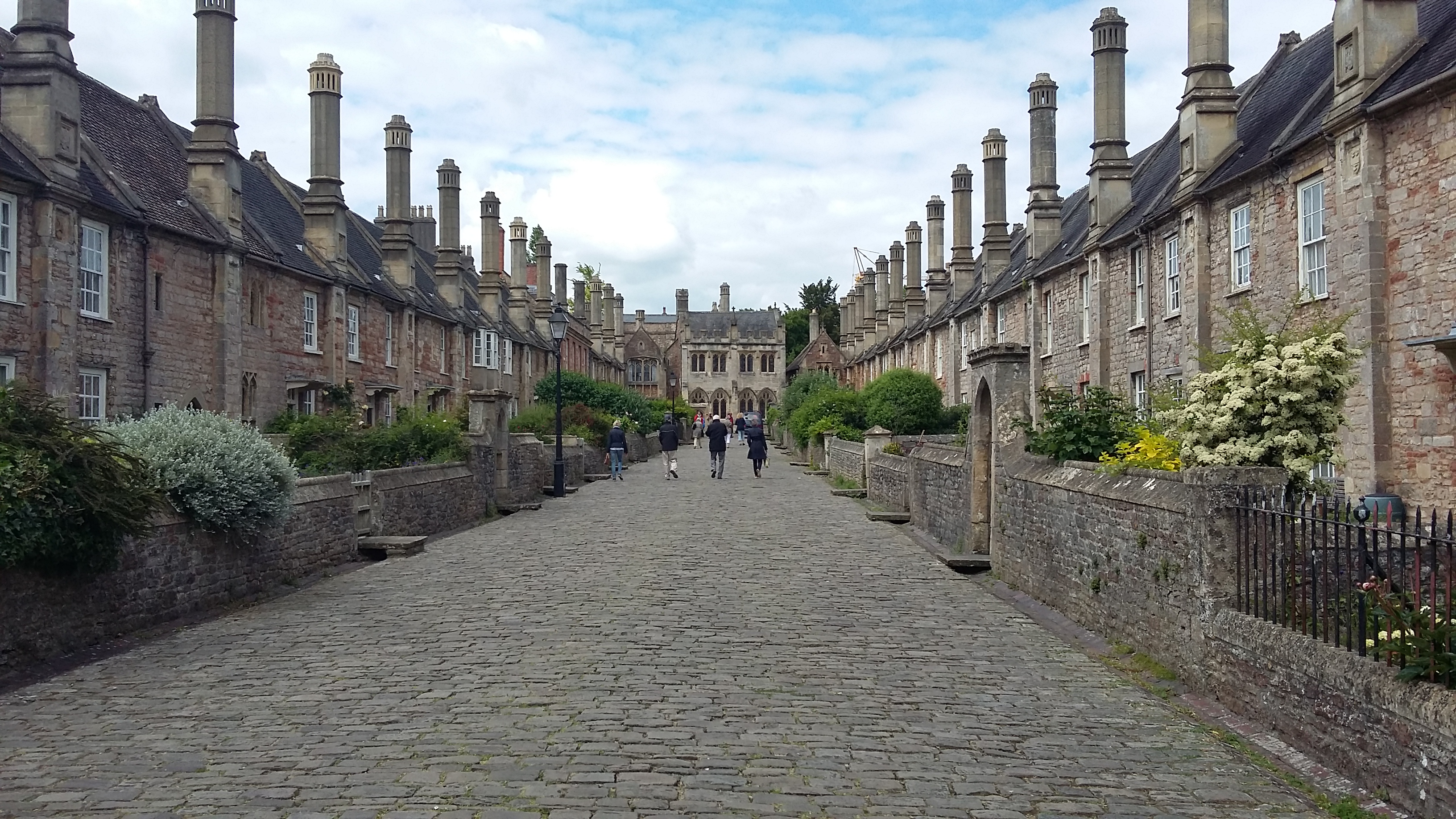
The Cathedral itself is an eclectic mix of medieval architecture, parts of which date back as far as the tenth century. It is known for its fan-vaulted ceilings and the scissor arches which support the central tower but, perhaps, the most recognisable feature of the Cathedral is the exterior edifice of the West Front, which is said to be the finest collection of statuary in Europe, retaining almost 300 of its original stone-carved medieval statues. The Cathedral clock is among other famous features of the Cathedral, known for its 24-hour astronomical dial and set of jousting knights that perform every quarter-hour, and the Cathedral also has the heaviest ring of ten bells in the world, with the tenor bell weighing in at just over 56 CWT, or 2,844 kilograms. The nearby street, known as Vicar’s Close and owned by the Cathedral, is said to be the oldest residential street in Europe and is tapered by 10 feet at one end so that it appears longer when viewed from the bottom.
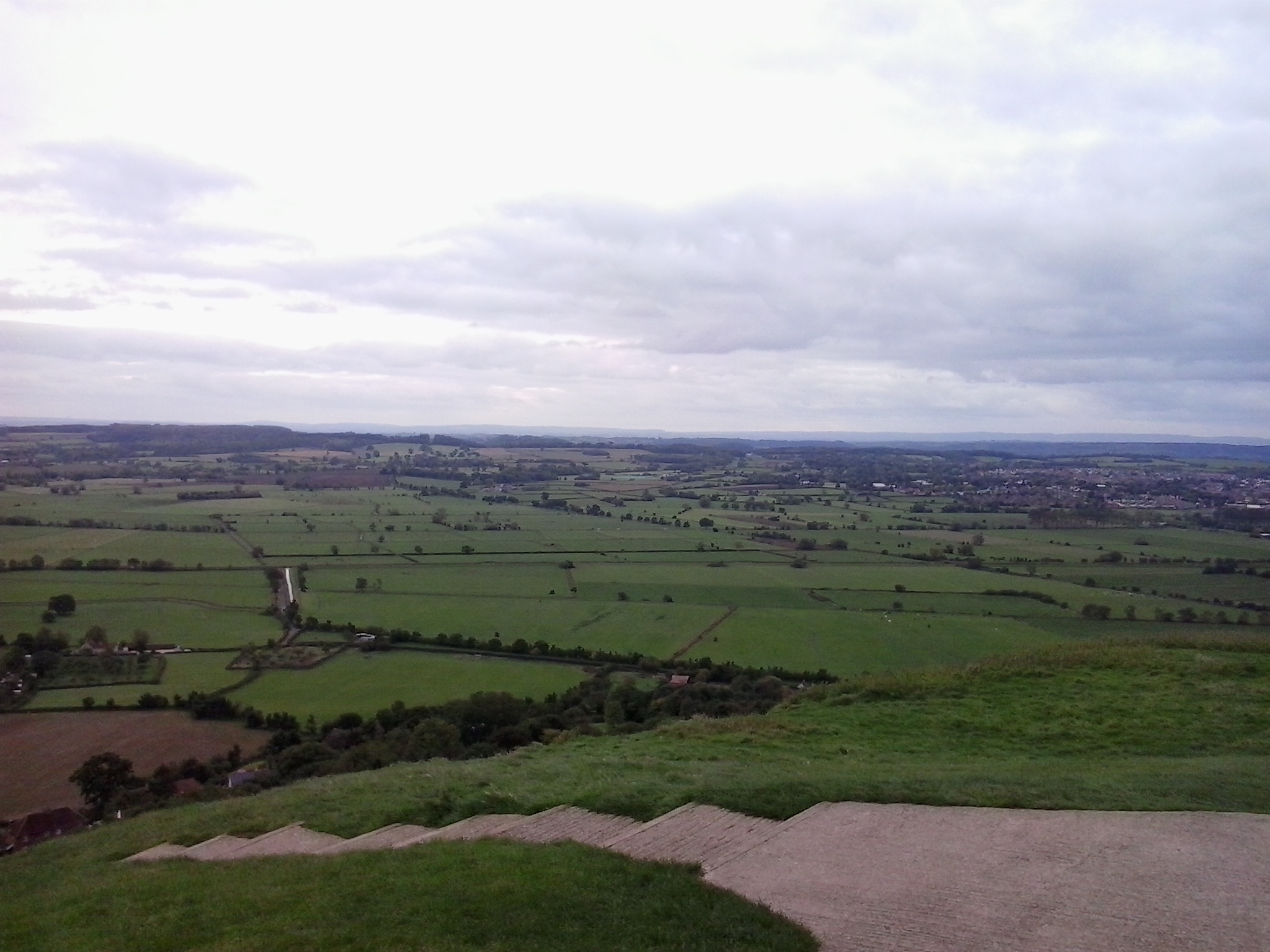
These are just some of the recognisable features, among many others, of the city of Wells which has become famous over the years. Often used in film and TV, the city shows off its impressive architecture and surroundings to great effect, including as the filmset for the fictional village of Sandford in the hit British action-comedy film Hot Fuzz. If, however, you have spent time in Wells, or any of the other parts of Somerset, you will know that the county is much more than just one city and its architecture. Indeed, Somerset as a county has long been the inspiration and home for a variety of artists, from novelists and poets such as Henry Fielding, Samuel Taylor Coleridge, T.S. Eliot, Evelyn Waugh and, of course, Sir Terry Pratchett, to musicians and actors such as Acker Bilk, John Cleese and, of course, Adge Cutler and The Wurzels. Although Somerset can boast a number of beautiful and impressive urban areas, not least the World Heritage City of Bath to the north, as well as the city of Wells and the ancient towns of Glastonbury and Taunton further south, the county also has a rich and diverse rural landscape that includes not only the Mendip and Quantock Hills but also the farmland and marshland of the Somerset Levels, the mystical Glastonbury Tor, and the wilderness of Exmoor National Park. Indeed, these rural landscapes, whilst they are some of the most enchanting natural landscapes in the south west of England, are also infused with a rich history and culture, rooted not only in the landscapes themselves but also in the communities that inhabit them.
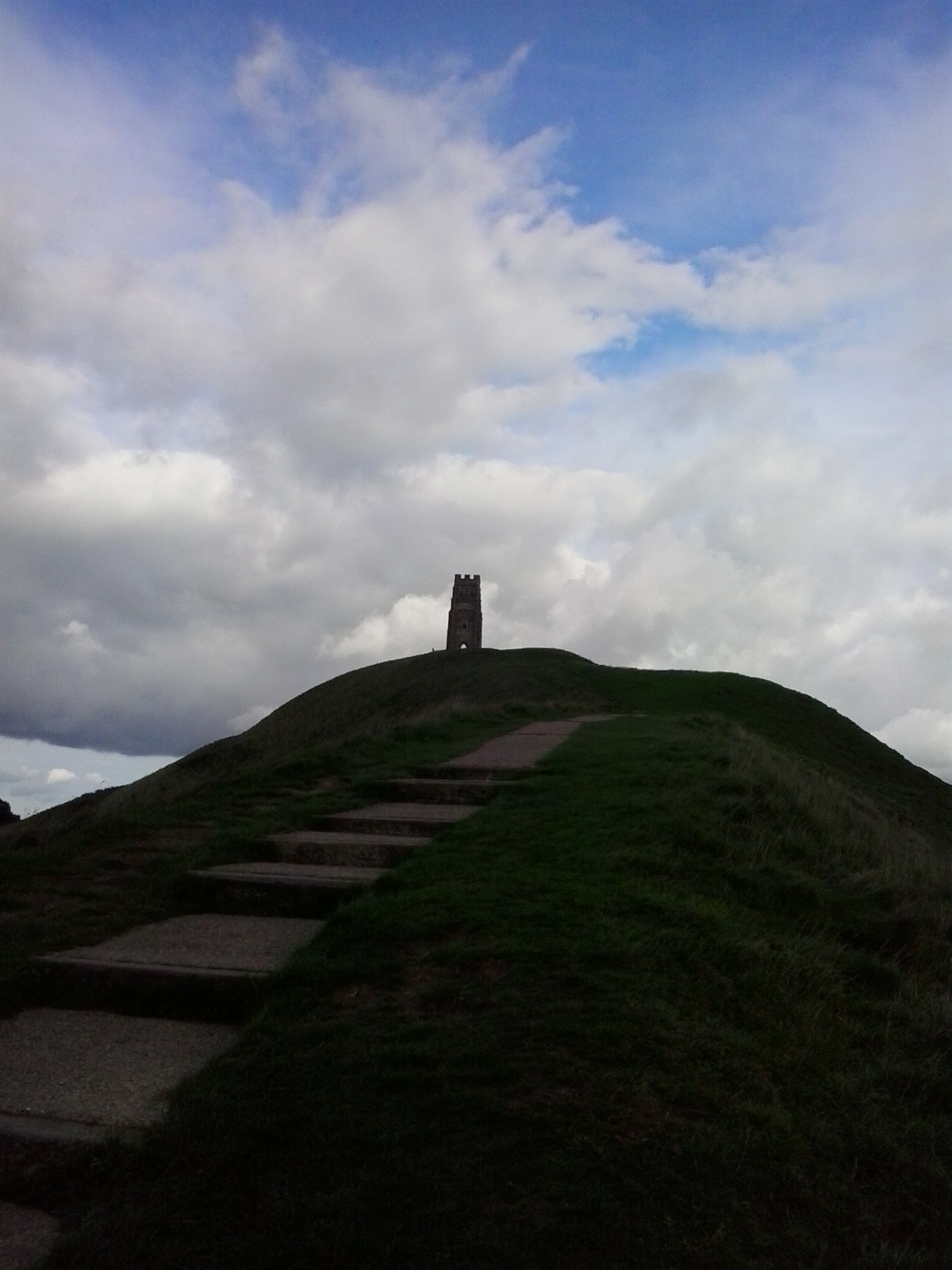
Somerset has long been a county associated with myth and legend. Its landscapes and communities are shrouded in mystical tales which have only served to enrich the culture of the county over the years. The collective memory of the communities around the county still reflects major events from Somerset’s long distant past, from the Monmouth Rebellion in 1685 to the battles of the Saxon King, Alfred the Great, and his legendary encounter with a peasant woman which, rather disastrously for her, ended with a batch of burnt cakes. Then there are the mythical tales associated with particular places around the county, including the Tale of the Witch of Wookey Hole and, of course, the Legend of King Arthur and his Knights of the Round Table. Indeed, Arthur’s Castle, known as Camelot, is said to have been on the site of what is now Cadbury Castle but, perhaps, the most famous association is with Glastonbury Tor, popularly known as Ynys yr Afalonis, or the Isle of Avalon. It is here that legend says is the place where Arthur’s sword, Excalibur, was forged, and then later became the final resting place of King Arthur himself, as well as the Holy Grail from Arthurian legend. These myths and legends were popularised by monks from Glastonbury Abbey in the twelfth century and then again in Victorian times. They have become synonymous with Somerset’s history, so much so that a visit to the town of Glastonbury today will still bring encounters with the stories and legends of old.
Yet, not everything about Somerset is so rooted in myths and legends from the county’s far distant past, for there are many parts of its more recent history and culture which are just as worth celebrating. Cheddar Gorge, for instance, although the former burial site of the Cheddar Man, Britain’s oldest complete human skeleton excavated in 1903, is also the birthplace of Cheddar Cheese. This strong West Country cheese is traditionally matured in the caves in Cheddar Gorge and is now a favourite and popular cheese across the entire country. Indeed, there are many industries born and developed in Somerset that have exported their products to the rest of the UK and beyond. The farms of the county are, of course, most famous for producing a number of alcoholic beverages, including a wide variety of Somerset Ciders, the strongest of which are often home-brewed and popularly known as ‘Scrumpy’. Then there is the village of Street, home to the very successful shoe manufacturer C&J Clark Ltd, affectionately known by many as ‘Clark’s Shoes’. Over in Taunton, Somerset County Cricket Club is one of the eight first-class clubs in the English County Championship and has in the past been the breeding ground for some of England’s finest cricketers who went on to play internationally. Somerset is also a county home to many traditional crafts, including willow or basket weaving and the Somerset Willow Company, based in Bridgewater and established in 1959, is today the UK’s leading basket manufacturer. The company was the first to start manufacturing willow coffins in 1998 and, back in 1987, the company broke the world record for the greatest number of people in a hot air balloon when their double-decker construction carried 50 people across the county.
Yet, what makes Somerset a truly special place is not just the inspirational myths, legends and artistic works, or the beautiful landscapes and imposing architecture, nor even the county’s impressive range of industry and craft, but rather the people themselves and the way that each local community, whilst often comprising many of these wider parts of the county’s culture, also display their own unique sense of identity. This is perhaps best experienced anywhere in the county by spending a night in the pub with some of the locals, enjoying a pint of the county’s finest beverage and a game of Skittles. Although similar to the more widely known form of the game, Ten Pin Bowling, traditional Somerset Skittles is played with wooden balls, usually made from apple wood or similar, and nine wooden pins instead of ten. Many pubs in the county still have a skittle alley, though different localities often play by unique rules and, in north Somerset, some skittle alleys have been known for their ‘camber’ or arched alley surface. Indeed, it is still possible to find some alleys that are raised in the middle and, while this makes the game of Skittles a skilled artform, the arched alley surface, in combination with a pint or two of Scrumpy, can also make for an often-hilarious evening’s entertainment.
There have been many attempts to capture Somerset’s long history on written record, including the extensive three-volume work, The History and Antiquities of the County of Somerset, compiled by the Rev. John Collinson and published in 1791. More recently, in 1967, Robert Dunning, an academic at Bristol University, began a project to compile a comprehensive history of the county. Forty years later, with only nine of his projected twenty-two volumes completed, Dr Robert Dunning has abandoned the work and passed it on to another researcher. Perhaps, however, the need to record Somerset’s history on paper is not as important as celebrating it in our everyday lives. Some people experience the county in a small way, maybe by attending Glastonbury Festival or a concert performed by the Choir of Wells Cathedral, but many others live and breathe Somerset’s history and culture every day. By celebrating and participating in Somerset’s cultural landscape, we not only continue the legacy of those who have gone before but also create the cultural roots of those who will come after us, as has every generation in Somerset’s long and deeply rich history.
Article first published in event programme for Sumorsaete ealle: Celebrating Somerset gala concert and celebration, organised by Bath Spa University and Strode College, and hosted at Wells Cathedral on behalf of Denis Burn, High Sheriff of Somerset, on Friday 22nd February 2019.
 Stephen J. Dunning
Leave a comment